

A good photographic series tells a clear, self-contained story about an interesting subject that may not appeal to everyone, but resonates with at least some people. Rather than relying on individual standout images, it maintains a consistent level of quality throughout, with no images that are noticeably stronger or weaker than the others. Here is a brief explanation of what makes a photographic series.
A good photographic series tells a clear, self-contained story about an interesting subject that may not appeal to everyone, but resonates with at least some people. Rather than relying on individual standout images, it maintains a consistent level of quality throughout, with no images that are noticeably stronger or weaker than the others.
Here is a brief explanation of what makes a photographic series.
1. It has an interesting subject The subject does not have to be spectacular or exotic, but it should tell a story. It does not need to appeal to the majority, but it should capture the interest of at least a few people.
2. It does not rely on strong individual images Building a series around a few strong individual images by adding other photographs is generally not a good idea. The additional images often look considerably weaker by comparison. Even an outstanding individual image can disrupt a series by standing out too much.
3. It is narrative rather than additive A series does not simply bring together images with a common theme; it also tells a story. For example, ‘The old oak tree in the city park through the seasons’ is better than ‘The oak trees in the city park’.
4. It maintains thematic coherence A series should not contain images that do not fit the theme. For example, if you capture some stunning landscapes during an excursion and also photograph a beautiful lizard, the lizard does not belong in the landscape series.
5. It maintains a consistent format wherever possible For example, it is preferable for all images to be either in colour or in black and white. Portrait and landscape orientations can be mixed, but combining eight landscape images with just one portrait image, or vice versa, would create a visual inconsistency.
6. It maintains consistency in composition and image processing For example, the images should all be relatively bright or relatively dark, with consistently blue or grey skies wherever possible. The photographs should either be sharp throughout or focus on a particular plane while leaving the rest blurred. Consistent editing techniques and a coherent colour palette are also important.
7. It works with image titles and/or short captions Giving photographs titles is a good idea. However, lengthy texts should not be necessary to explain the images. Short captions can be used to provide context.
A simple example of a photographic series: Beton Brut in Bilfingen by Harald Spies
-
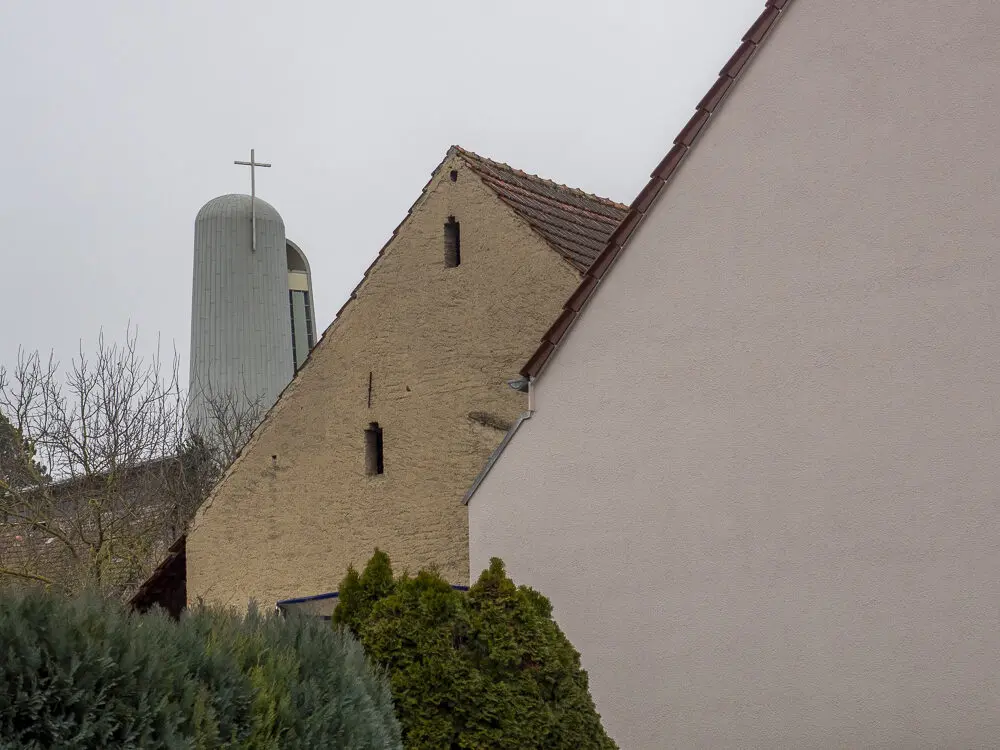
01 Der Kirchturm vom Ort aus gesehen -
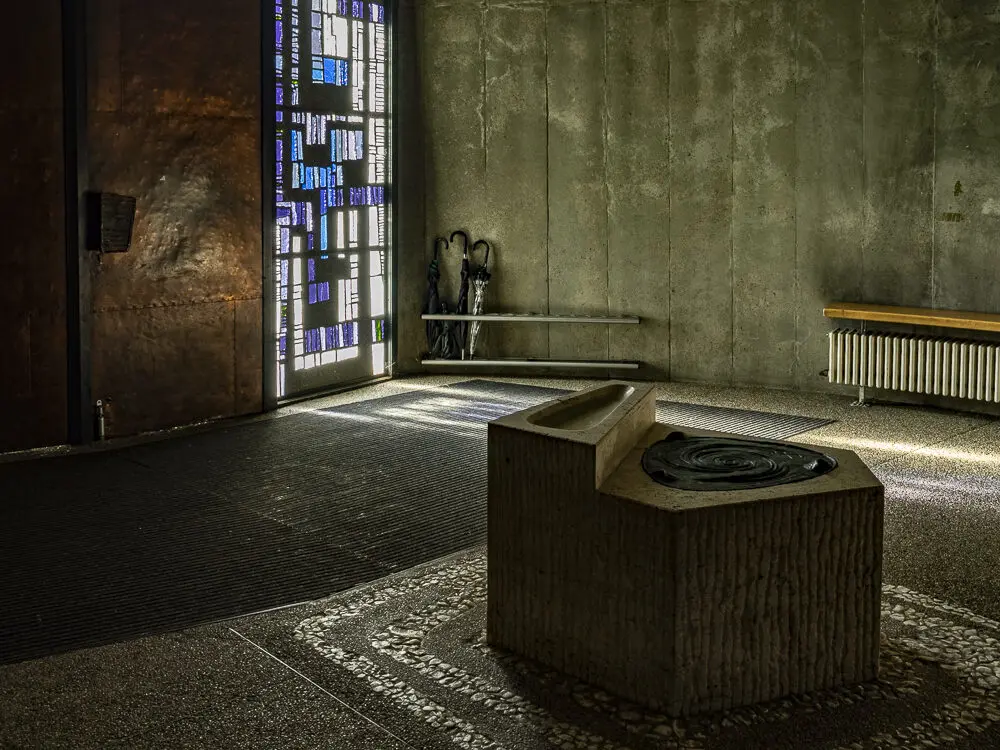
02 Eingangsbereich mit Taufbecken -
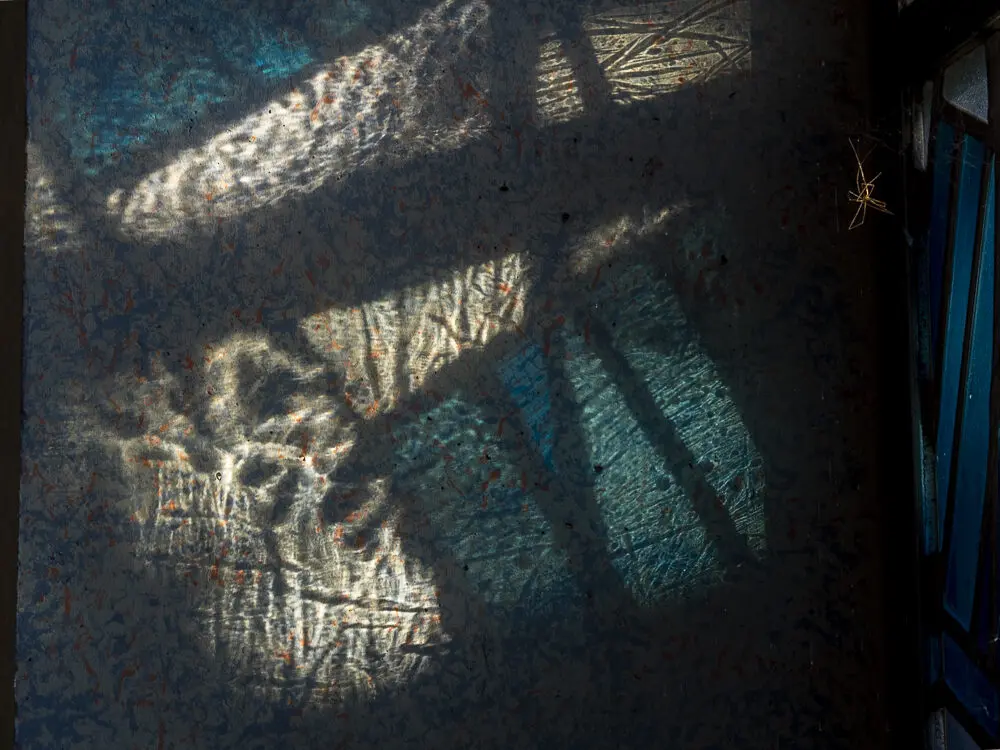
03 Lichtbild -
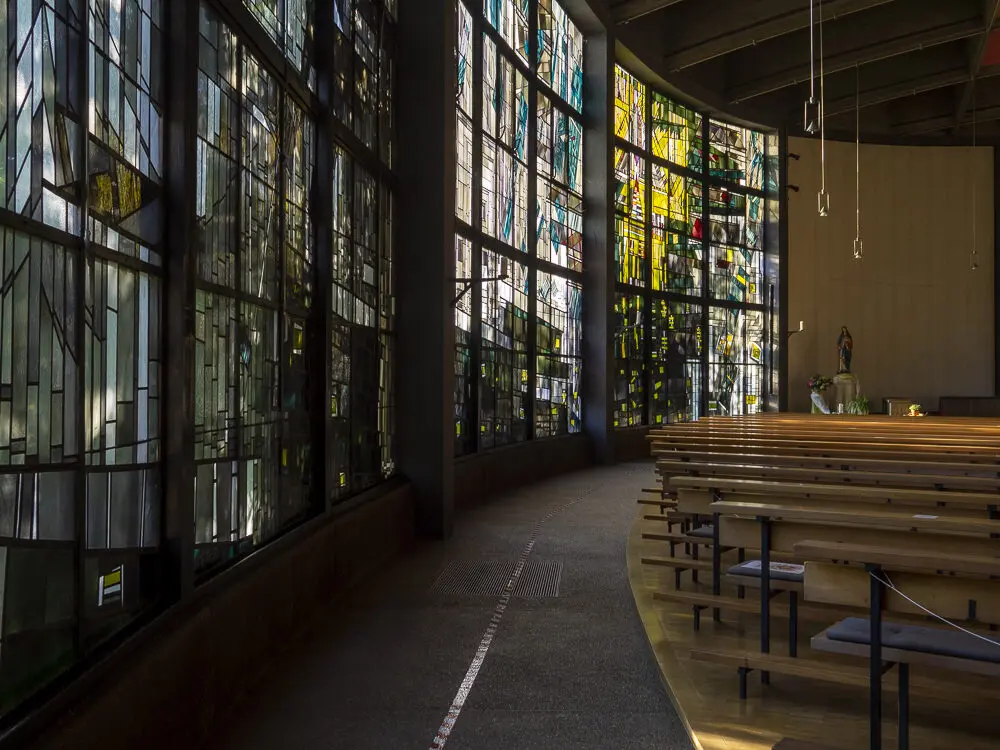
04 . -
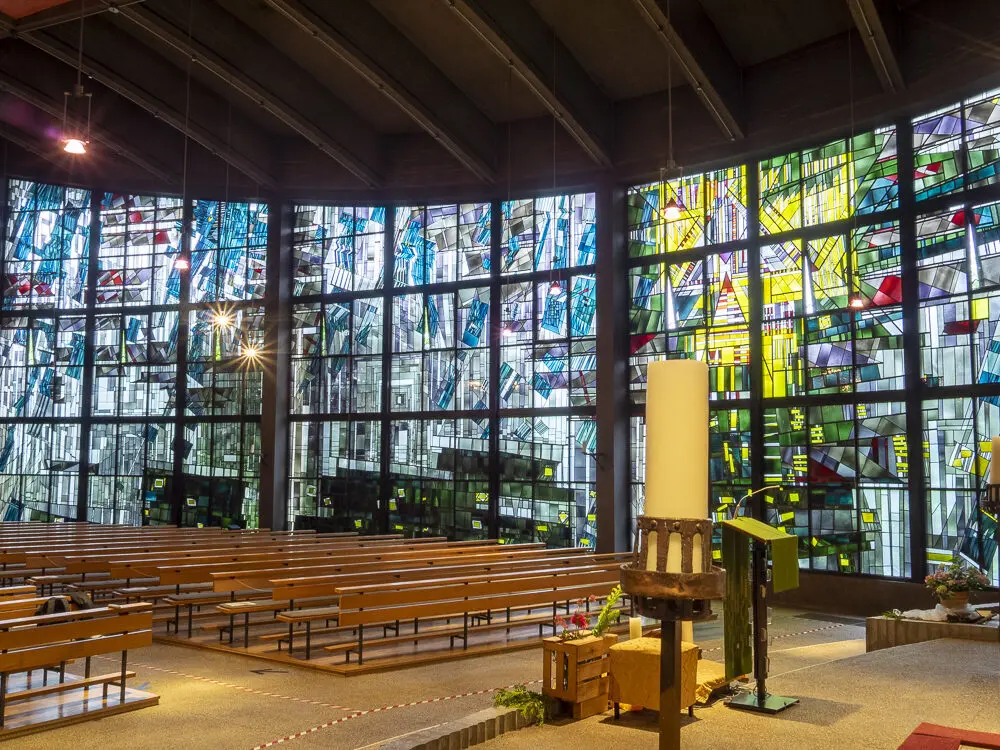
05 Blick auf die Fenterwand -
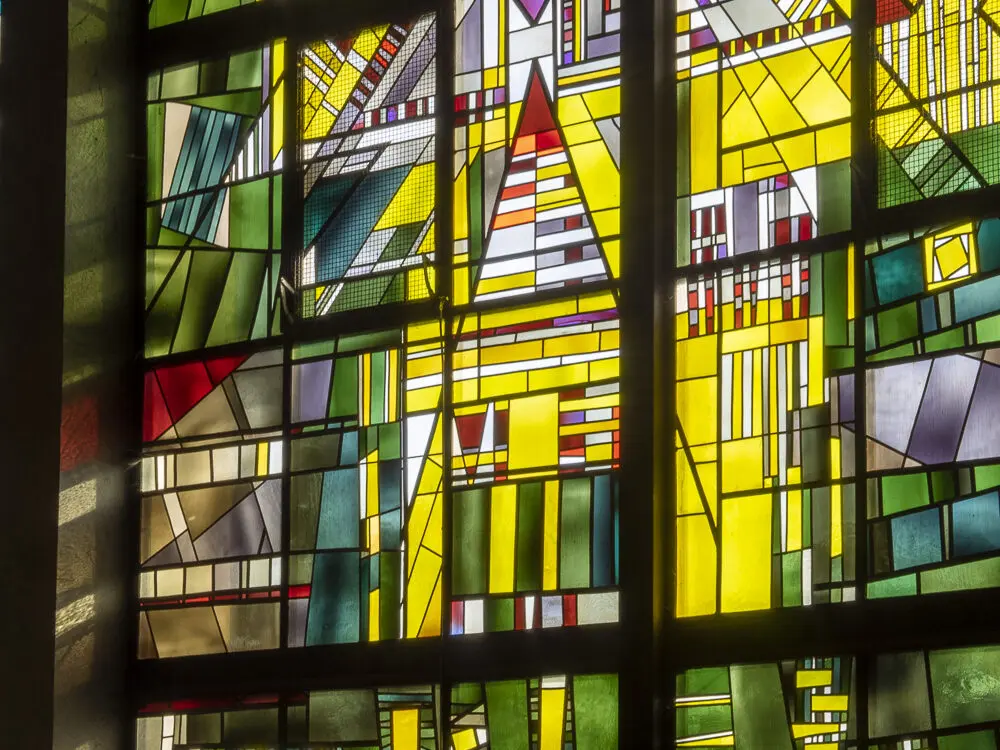
06 Detail auf die Fensterwand -
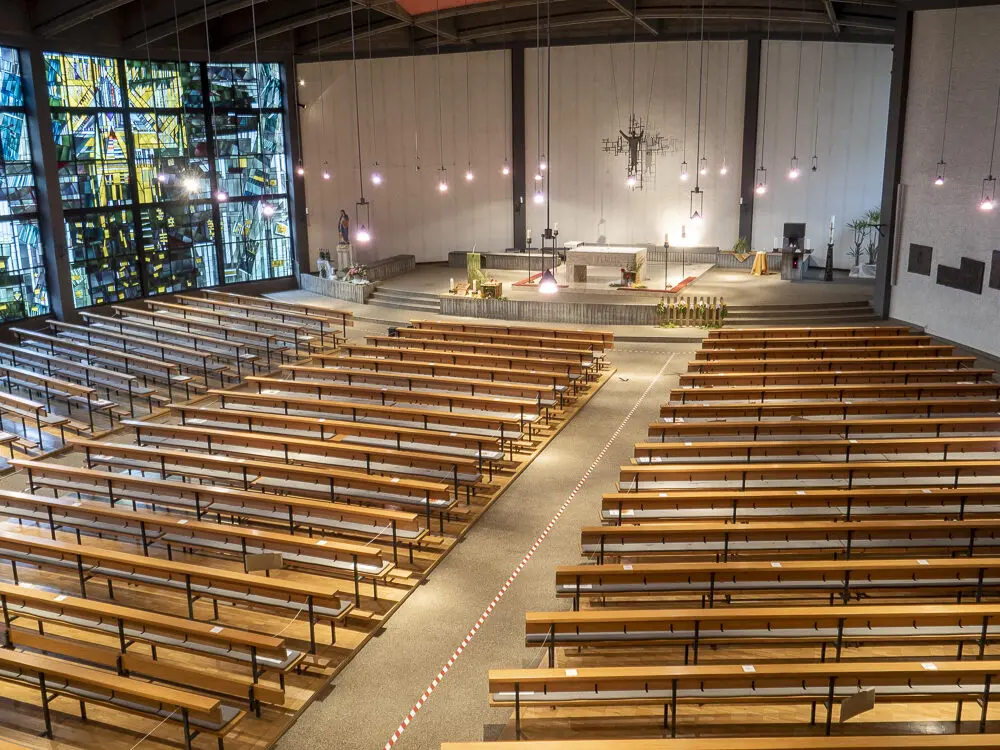
07 Blick von der Empore -

08 Die Empore mit der Orgel -
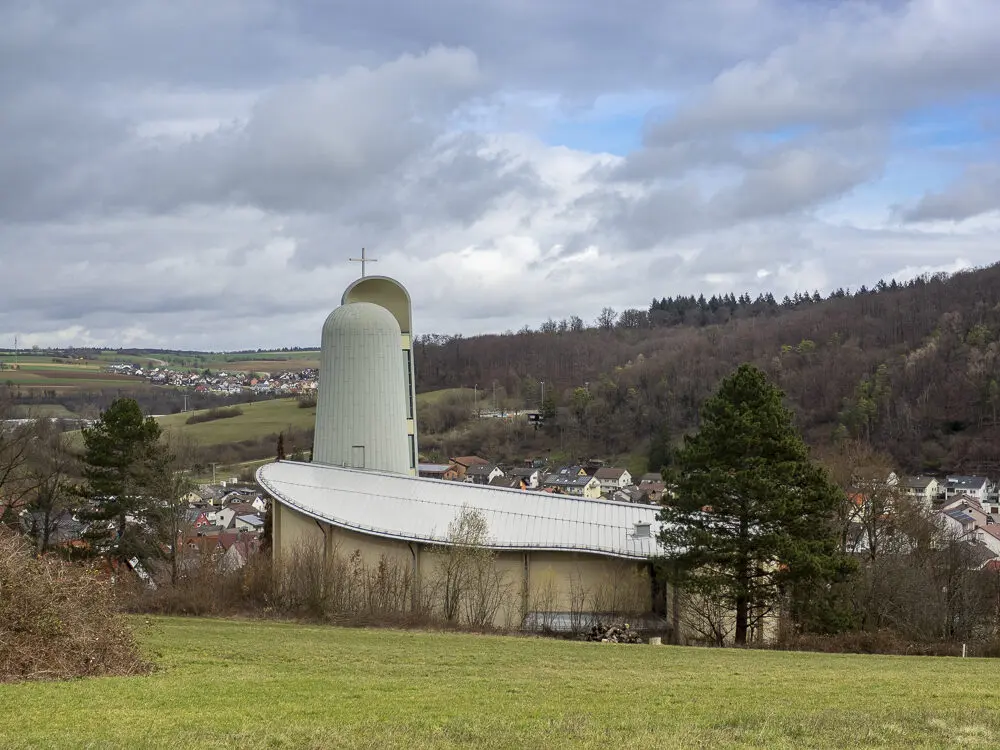
09 Ansicht von Süden